

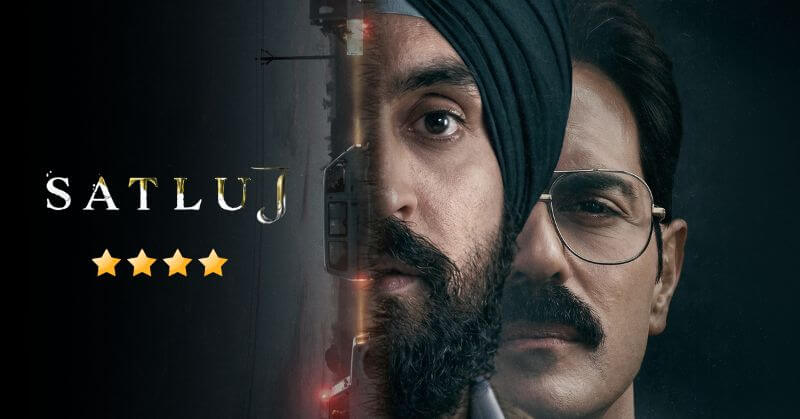

Some films entertain. Some educate. And then there are films that refuse to let you remain a silent spectator. Satluj belongs firmly in the last category. Inspired by the life and struggle of human rights activist Jaswant Singh Khalra, director Honey Trehan delivers a gripping political drama that is as disturbing as it is important. It is not a film designed to provide easy entertainment. Instead, it compels viewers to confront one of the darkest chapters in Punjab’s history with honesty and sensitivity.
Formerly titled Punjab 95, the film spent nearly three years battling censorship before finally arriving on ZEE5. That journey alone makes Satluj an important film. But beyond its troubled release lies a deeply moving story of courage, truth, and sacrifice. Headlined by Diljit Dosanjh, alongside Arjun Rampal, Suvinder Vicky, Saurabh Sachdeva, Geetika Vidya Ohlyan, Kanwaljit Singh, and Jagjeet Sandhu, Satluj is a slow-burning political drama that leaves a lasting impact.
Satluj Story
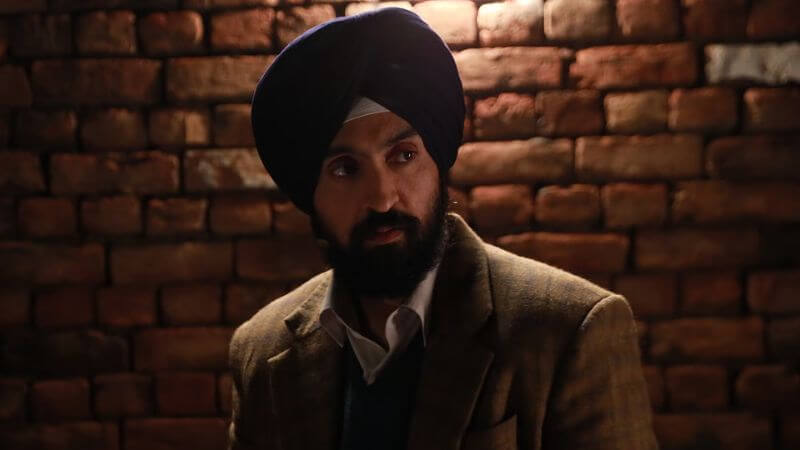
The story is inspired by the life of Jaswant Singh Khalra, though certain names have been changed for cinematic purposes. Set in Punjab during the mid-1990s, the film follows Jaswant Singh (Diljit Dosanjh), a bank director living a peaceful family life with his wife Parminder (Geetika Vidya Ohlyan) and children. His life changes forever when he begins searching for the missing mother of a deceased friend. What initially appears to be an isolated disappearance gradually uncovers something far more horrifying.
More From CineTales



Jaswant discovers that hundreds of people have allegedly been killed in fake encounters, declared unidentified bodies, and cremated without informing their families. As he examines official crematorium records across multiple towns, he uncovers evidence pointing towards thousands of such disappearances.
Determined to expose the truth, Jaswant refuses to back down despite increasing threats from the authorities. As his investigation gains national and international attention, powerful forces begin working against him. What follows is a deeply unsettling journey of courage, resistance, and the heavy price one man pays for asking uncomfortable questions.
Satluj Movie Review
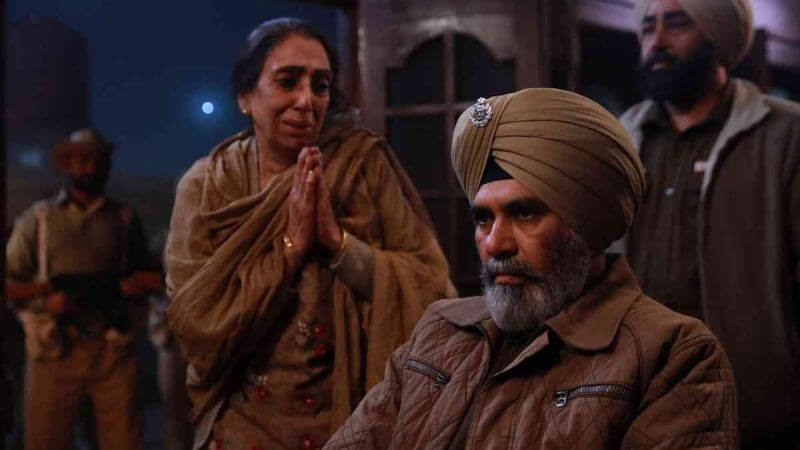
Honey Trehan approaches Satluj with remarkable restraint. Instead of sensationalising real events, he chooses a grounded style that allows the story to unfold naturally. The film never relies on exaggerated patriotism or melodramatic speeches. The horror lies in how ordinary the system appears while committing extraordinary acts of injustice.
That decision becomes the film’s greatest strength. The screenplay, written by Honey Trehan, Niren Bhatt, and Utsav Maitra, slowly pieces together Jaswant’s investigation like a political thriller. Every new discovery adds another disturbing layer to the narrative, keeping viewers emotionally invested without resorting to unnecessary cinematic tricks.
The dialogues deserve equal praise. Several courtroom exchanges, political confrontations, and conversations between police officials carry remarkable weight. Rather than telling audiences what to think, the film presents conflicting perspectives and allows viewers to draw their own conclusions.
What makes Satluj particularly effective is its relevance. Although the events take place more than three decades ago, many conversations about state power, accountability, justice, and human rights continue to resonate even today. The film never forces contemporary parallels, yet they naturally emerge through the narrative.
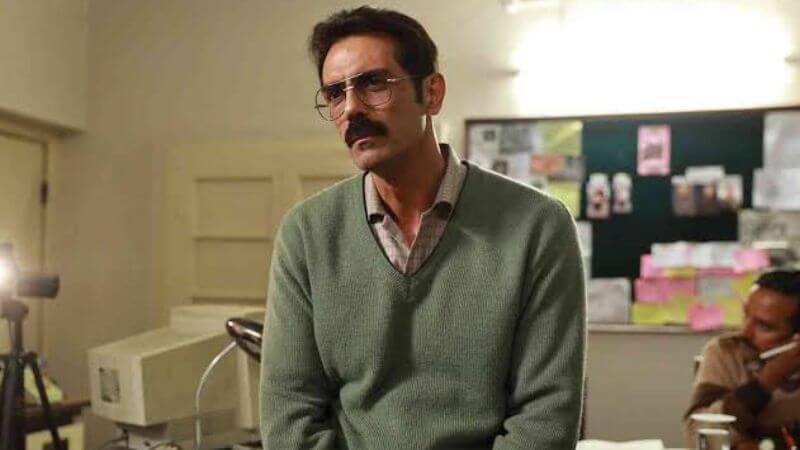
Honey Trehan also deserves appreciation for avoiding simplistic heroes and villains. Even while exposing horrific crimes, the film maintains a measured tone that strengthens its credibility. The investigation portions remain consistently gripping, while the final act delivers one of the most emotionally devastating conclusions seen in recent political dramas. The closing moments, supported by real-life information displayed before the credits roll, leave a profound emotional impact.
However, the film is not entirely flawless. At nearly 163 minutes, the narrative occasionally overstays its welcome. Certain investigative portions could have been trimmed without affecting the overall story. There are also moments where viewers are left wondering about Jaswant’s personal journey beyond activism. Questions regarding his professional life, financial struggles, and the logistics of sustaining such a movement remain largely unexplored.
Another unfortunate aspect has nothing to do with the film itself. A story of this importance deserved a theatrical release. Arriving quietly on an OTT platform without significant promotion feels like a missed opportunity, especially considering the film’s historical and social significance.
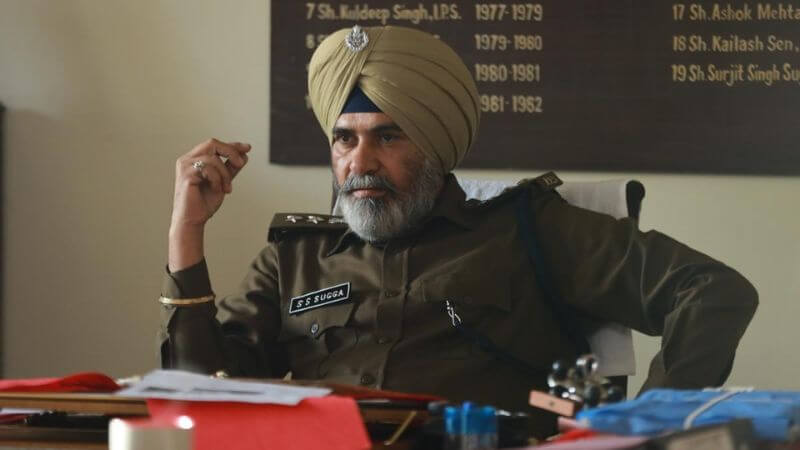
Technically, Satluj succeeds through authenticity rather than spectacle. K U Mohanan’s cinematography beautifully recreates Punjab of the 1990s without romanticising its landscape. The visuals remain grounded, allowing the atmosphere to complement the seriousness of the subject matter.
Garima Mathur’s production design and Rohit Chaturvedi’s costumes convincingly transport viewers back to the era. Every location feels lived-in, adding another layer of realism to the narrative. The action remains minimal, which works perfectly for the story. Harpal Singh Pali and Vikram Dahiya stage every violent sequence with restraint, making each moment feel far more disturbing than stylised action ever could.
The background score quietly supports the emotional beats without overwhelming the narrative. Silence is used effectively throughout the film, allowing several scenes to breathe naturally. A. Sreekar Prasad’s editing keeps the investigation engaging for most parts, although trimming ten to fifteen minutes would have resulted in a tighter overall experience.
Satluj Performances
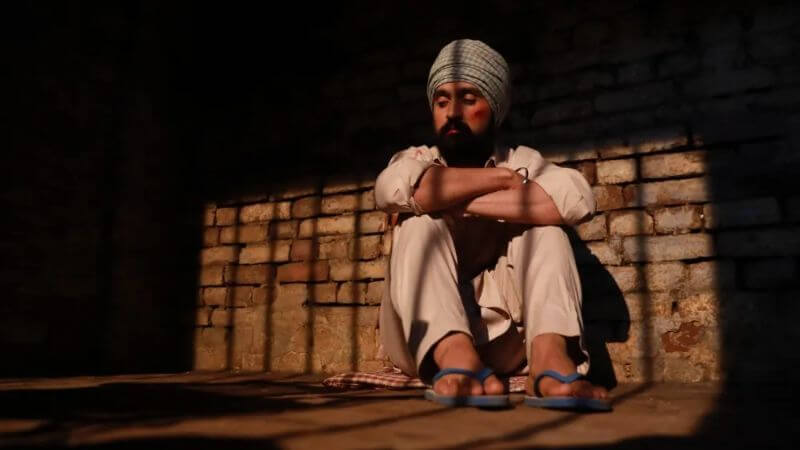
Diljit Dosanjh delivers one of the finest performances of his career. He never attempts to dramatise Jaswant Singh’s courage. Instead, he portrays him as an ordinary man driven by extraordinary conviction. His restrained performance makes the character feel authentic, allowing audiences to connect deeply with his emotional journey.
Suvinder Vicky once again proves why he has become one of the industry’s most dependable performers. His screen presence is intimidating without requiring loud dialogue or exaggerated expressions. Every appearance carries an underlying sense of danger.
Arjun Rampal arrives relatively late but makes a significant impact. Despite limited screen time, he delivers a composed and powerful performance that adds weight to the narrative.
Kanwaljit Singh is among the film’s biggest surprises. Moving away from his familiar on-screen image, he completely transforms into a character audiences will remember long after the film ends. Geetika Vidya Ohlyan provides strong emotional support as Jaswant’s wife, while Saurabh Sachdeva leaves a lasting impression despite limited scenes.
Among the supporting cast, Jyoti Dogra, Jagjeet Sandhu, Varun Badola, Nasser, Anil Mange, and Geeta Agarwal all contribute meaningfully, ensuring that even smaller roles leave an impact.
Final Verdict
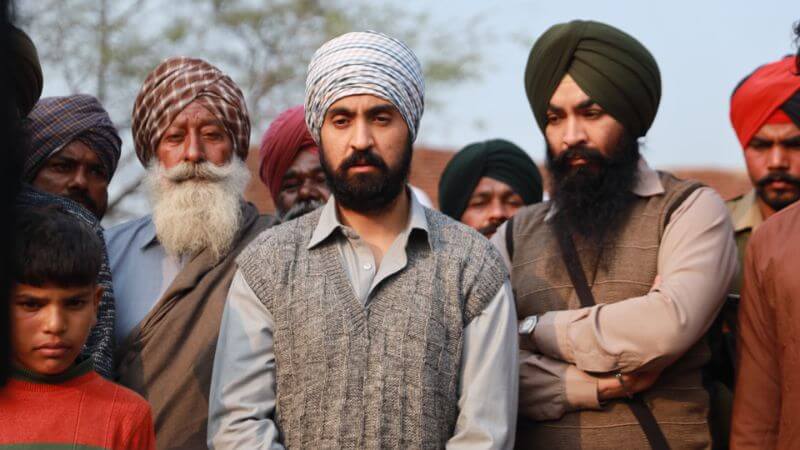
Satluj is far more than a political drama. It is a powerful reminder of why uncomfortable stories deserve to be told, regardless of how difficult they may be to watch. Honey Trehan handles an emotionally sensitive subject with remarkable maturity, avoiding sensationalism while ensuring the gravity of the events never diminishes.
Powered by outstanding performances, particularly from Diljit Dosanjh and Suvinder Vicky, compelling writing, and thoughtful direction, the film succeeds in transforming an important chapter of history into gripping cinema.
Its leisurely pacing and lengthy runtime occasionally affect the overall momentum, but those shortcomings are overshadowed by the film’s emotional honesty and social relevance. This is not an easy watch. But it is undoubtedly an important one.
Rating: ⭐⭐⭐⭐(4/5)
Love honest, hype-free movie reviews? Stay tuned with Cinetales for more deep dives into the latest movies, series, OTT drops, and box office battles — all in one place!
Follow Us: Facebook | Instagram | X |
Youtube | Pinterest | Google News |
Cinetales is on YouTube; click here to subscribe for the latest videos and updates.