
When Anubhav Sinha chooses a subject, he rarely does it halfway. With Assi, he dives straight into one of the darkest realities of modern India. Starring Taapsee Pannu, Kani Kusruti, Kumud Mishra, Manoj Pahwa, and Zeeshan Ayyub, the film is not just a courtroom drama. It is a confrontation.
The title itself is disturbing. “Assi” means eighty. Roughly 80 rapes are reported in India every single day. That statistic hangs over the entire film like a shadow. Sinha does not treat Parima’s case as an isolated crime. He frames it as part of a systemic disease. The result is a film that angers you, frustrates you, and occasionally moves you deeply.
Assi releases in theatres on February 20, and it arrives with urgency.
Assi Story

The story begins on a night that feels painfully ordinary. Parima, played by Kani Kusruti, is returning home alone in Delhi. What happens next is something countless women fear daily. She is assaulted inside a moving car and later thrown onto the railway tracks. The sequence is disturbing without being exploitative. The brutality is shown, but the focus remains on the psychological aftermath.
Enter Advocate Raavi, portrayed by Taapsee Pannu. Determined and fierce, she takes up Parima’s case. However, the legal system offers little comfort. Parima fails to identify her attackers. DNA reports do not match. Evidence falls apart. The prosecution’s case begins to crumble.
Just when hope seems lost, a mysterious movement called “Umbrella Man” surfaces. This vigilante-style uprising begins to question whether the system deserves patience at all. Does justice need to be delivered within the courtroom, or outside it? That tension forms the backbone of the second half.
The film attempts to explore not just guilt and innocence but society’s collective complicity. It asks uncomfortable questions. What happens when proof fails but belief remains strong? What happens when the system appears indifferent?
Assi Movie Review
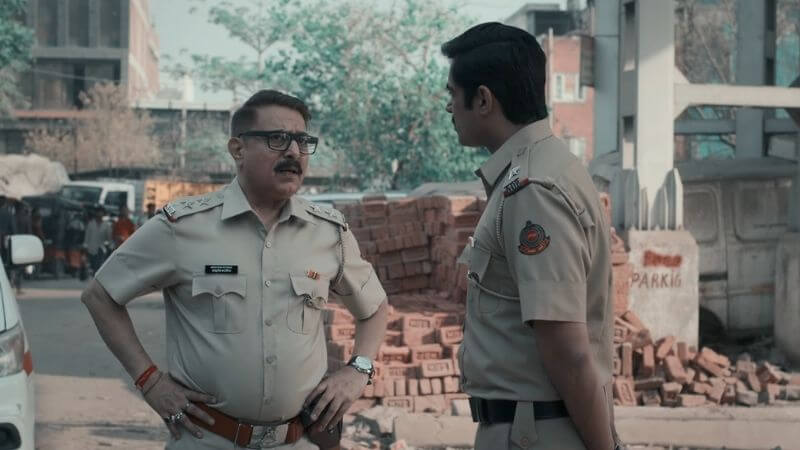
Anubhav Sinha’s intent is clear and powerful. He wants Assi to disturb. He wants it to provoke. In parts, it succeeds brilliantly. In other areas, it stumbles.
Technically, the film has strengths. The cinematography maintains a raw and grounded tone. Delhi’s streets feel real. Courtrooms feel suffocating rather than dramatic. The production design avoids glamour and sticks to realism.
However, the writing has noticeable flaws. The courtroom proceedings lack sharp legal strategy. Certain loopholes stand out. In an era dominated by digital footprints, the investigation seems surprisingly underdeveloped. Mobile tracking, data analysis, and other logical angles feel conveniently ignored. These gaps weaken the impact of what could have been a far tighter legal drama.
Kumud Mishra’s character arc feels underwritten. His transformation lacks clarity and emotional build up. The “Umbrella Man” revolution, though conceptually intriguing, sometimes comes across as dramatically convenient rather than organically earned.

The finale stretches longer than necessary. The emotional punch is present, but repetition dulls its sharpness. The repeated emphasis on “an eye for an eye” feels heavy-handed. Most audiences already share anger toward sexual crimes. The film sometimes feels like it is preaching to those who are already convinced.
Yet, despite these issues, Assi works in moments. Certain dialogues pierce through the flaws and hit you hard. The involvement of a child in the narrative adds emotional gravity. The final verdict delivered by a female judge in front of schoolchildren is impactful. It carries symbolic weight.
Music and background score remain restrained. The film does not rely on loud emotional cues. Silence often does the heavy lifting. This approach suits the subject matter. The technical aspects serve the narrative without distracting from it.
Assi Performances

Kani Kusruti delivers one of the film’s strongest performances. She portrays trauma with restraint. There is no melodrama in her expressions. Her silence often speaks louder than dialogue.
Taapsee Pannu has moments of brilliance, particularly in intense courtroom sequences. However, her performance lacks consistency. In a film like this, the lawyer should feel like the unwavering spine of the narrative. Taapsee shines in parts but does not dominate the screen as strongly as expected.
Kumud Mishra plays a grieving man disillusioned with the system. He brings sincerity but suffers from inconsistent writing. Manoj Pahwa stands out as a father battling shame and instinct. His conflict feels real. Zeeshan Ayyub delivers his lines with quiet conviction, reflecting a changing societal mindset.
Naseeruddin Shah appears briefly and adds gravitas despite limited screen time. Revathi brings maturity to her part. Supriya Pathak appears in a cameo that, unfortunately, lacks writing depth.
The ensemble overall holds the film together when the script falters.
Final Verdict

Assi is not a flawless film. Its writing has gaps. Its legal drama could have been sharper. Some arcs feel rushed while others stretch unnecessarily. But it is a film that needs to exist. It forces conversation. It reminds us that violence against women is not rare. It is routine. And that realization is terrifying.
Assi may frustrate you, but it will also make you think. And in today’s climate, perhaps that is enough.
Rating: ⭐⭐⭐(3/5)
Stay tuned with Cinetales for more deep dives into the latest movies, series, OTT drops, and box office battles — all in one place!
Follow Us: Facebook | Instagram | X |
Youtube | Pinterest | Google News |
Cinetales is on YouTube; click here to subscribe for the latest videos and updates.