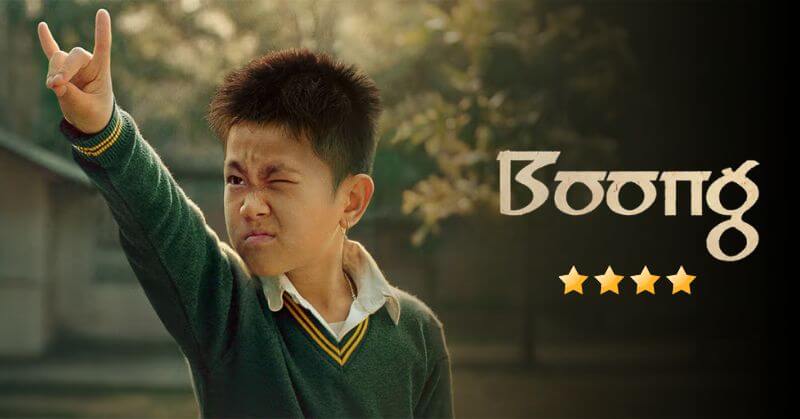
Lakshmipriya Devi’s Boong is a gentle yet deeply moving film that arrives with quiet confidence. Produced by Excel Entertainment and featuring Gugun Kipgen, Bala Hijam, Angom Sanamatum, Vikram Kochhar, Jenny Khurai, and Nemetia Ngangbam, the film tells a simple story with remarkable emotional depth. Set in the culturally rich but politically sensitive landscape of Manipur, Boong explores love, longing, and resilience through the eyes of a child.
The film has already earned international recognition, including a BAFTA award in the Children’s and Family Film category. Yet it refuses to remain confined within that label. What begins as a small personal story gradually becomes a touching reflection on hope, family, and identity. Lakshmipriya Devi’s storytelling is calm and observant. She avoids dramatic exaggeration and instead relies on small human moments to create emotional impact.
The result is a film that quietly grows on you. It is tender. It is sincere. And it stays with you long after the final scene fades away.
Boong Story
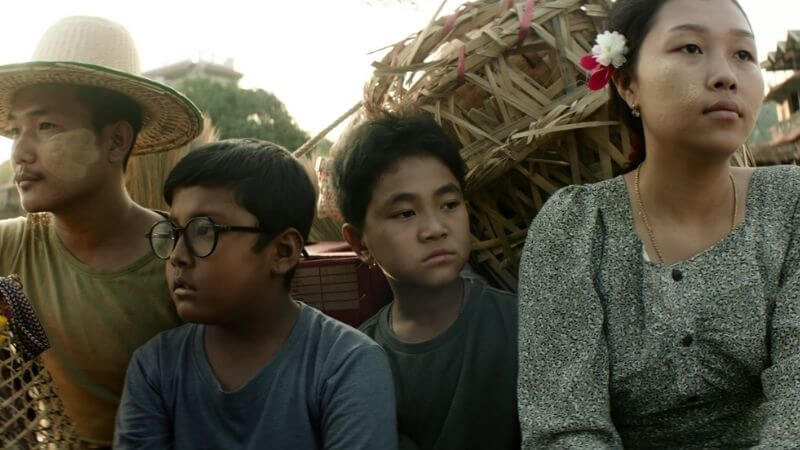
The story revolves around Boong, a young schoolboy played by Gugun Kipgen, who lives in Manipur with his mother Mandakini, portrayed by Bala Hijam. Boong is an ordinary child with simple dreams and a lively spirit. However, there is a noticeable emptiness in his life. His father, J. Joykumar Singh, had left years ago on what was supposed to be a short work trip to the border town of Moreh. Since then, he has never returned.
Boong and his mother live with the constant hope that he will come back someday. The phone line remains unreachable. Messages go unanswered. Yet Mandakini refuses to accept that her husband may never return.
The emotional tension grows when an official envelope arrives declaring that Joykumar is dead. The documents include identification proof that confirms the news. Mandakini refuses to believe it. She suspects that someone is trying to manipulate the situation so that the family will give up rights to certain land owned by Joykumar. The primary suspect is Joykumar’s irresponsible brother, who has long been interested in the property.
Seeking clarity, Mandakini approaches the village chief along with their family friend Sudhir Agarwal, played by Vikram Kochhar. Sudhir belongs to a Bihari family that has lived in Manipur for generations. His son Raju, portrayed by Angom Sanamatum, is Boong’s closest friend in school.
The village chief reveals that the document can only be dismissed if proof is found that Joykumar is alive. This revelation sparks an idea in Boong’s mind. During the Manipuri festival of Yaosang, which includes the joyful Thabal Chongba dance tradition, Boong notices that his mother cannot celebrate like others. The absence of his father weighs heavily on her heart.
Boong decides that he will find his father and bring him home as a surprise for his mother. With the help of Raju and a classmate named Juliana, he secretly travels toward the border town of Moreh. What follows is an adventurous journey filled with uncertainty, courage, and innocence.
During their search, the boys even cross the border into Myanmar for a brief moment while trying to trace Joykumar’s whereabouts. Along the way, Boong begins to understand the complexities of the adult world. Yet his determination never fades. His mission is simple. Bring his father back and make his mother smile again.
Boong Movie Review
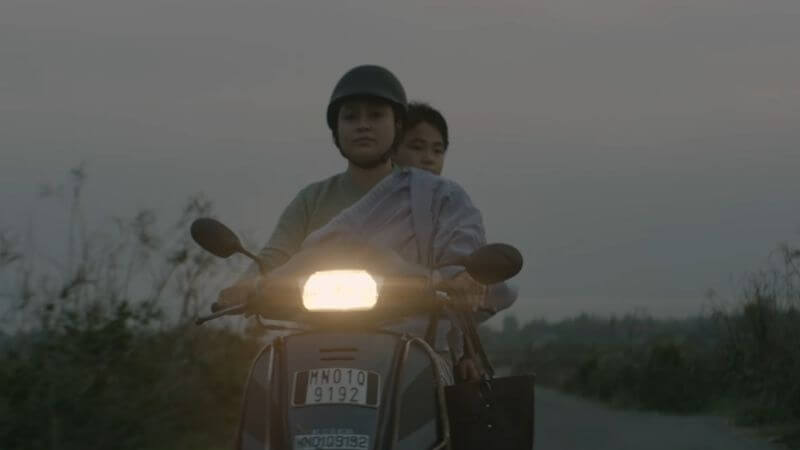
Lakshmipriya Devi’s direction is remarkably confident for a debut feature. The storytelling remains calm and observant throughout the film. Instead of dramatic twists or loud emotional scenes, the narrative unfolds gently. This subtle approach allows the audience to absorb the emotional layers naturally.
One of the most impressive aspects of the film is its ability to reflect the social and political climate of Manipur without turning the narrative into a lecture. The tensions of the region exist in the background. They influence the characters’ lives but never overshadow the central story of a child searching for his father.
The screenplay maintains a steady rhythm. Some moments move slowly, but the pacing never feels unnecessary. The quiet pauses and reflective silences become part of the storytelling style. These moments allow the audience to connect with the characters on a deeper level.
The dialogues are simple and realistic. Much of the film is spoken in Meitei, the local language of Manipur. Subtitles guide viewers who are unfamiliar with the language. Yet the emotions travel beyond linguistic barriers. Whether it is a moment of laughter or a quiet look between mother and son, the film communicates with honesty.

Technically, the film maintains a strong standard. The cinematography captures the natural beauty of Manipur with great sensitivity. The landscapes feel alive and authentic. The visuals complement the emotional tone of the narrative perfectly.
Music also plays an important role in shaping the film’s atmosphere. The Thabal Chongba music performed by Manipur’s Sangai Band stands out as a vibrant cultural highlight. The background score composed by Zubin Balaporia and Akhu Chingangbam is subtle yet effective. Instead of dominating scenes, the music gently supports the emotional flow of the story.
The editing keeps the narrative cohesive while allowing the film’s quiet moments to breathe. The overall technical presentation reflects careful craftsmanship.
Boong Performances
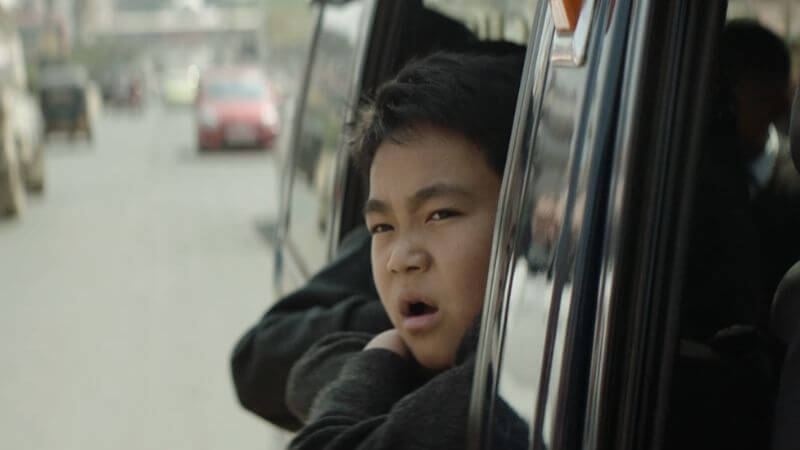
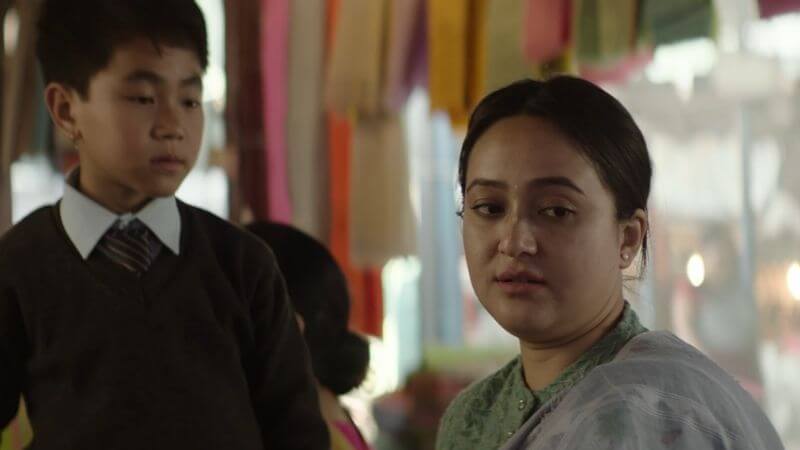
The performances are undoubtedly one of the film’s greatest strengths. Gugun Kipgen delivers a truly remarkable performance as Boong. His innocence feels natural and effortless. He never appears rehearsed or artificial. In many scenes, his presence becomes the emotional anchor of the film.
Bala Hijam is equally impressive as Mandakini. She portrays the pain of a woman living between hope and uncertainty with remarkable sensitivity. Her expressions convey emotions that words cannot always express.
Angom Sanamatum, as Raju brings warmth and energy to the story. His friendship with Boong adds authenticity to the narrative. Vikram Kochhar, as Sudhir Agarwal, delivers a grounded and sincere performance that strengthens the film’s emotional base.
The supporting actors also contribute effectively. None of the characters feels unnecessary. Each one plays a role in shaping the world around Boong. The film’s casting feels natural and believable.
Final Verdict
Boong is a refreshing cinematic experience. It tells a deeply emotional story without relying on melodrama. Through the innocence of a child, the film explores themes of family, longing, and hope.
Lakshmipriya Devi’s direction shows maturity and confidence. The performances feel genuine. The storytelling remains calm yet powerful.
More importantly, Boong reminds us that sometimes the most meaningful stories are the simplest ones. It is heartfelt. It is thoughtful. And it leaves behind a warm emotional resonance.
This is a film that deserves to be seen and appreciated.
Rating: ⭐⭐⭐⭐ (4/5)
Stay tuned with Cinetales for more deep dives into the latest movies, series, OTT drops, and box office battles — all in one place!
Follow Us: Facebook | Instagram | X |
Youtube | Pinterest | Google News |
Cinetales is on YouTube; click here to subscribe for the latest videos and updates.