




Jana Nayagan marks a landmark moment in Vijay’s illustrious career. Released in theatres on July 23, the political drama has received a positive response from audiences, who have praised its emotional storytelling, action sequences, and powerful social message. More importantly, the film has generated widespread discussion because of its thought-provoking climax.
Unlike a conventional commercial entertainer that ends with the hero claiming ultimate power, Jana Nayagan takes a very different route. The final moments see Vijay’s character, Vetri, making a decision that has surprised audiences and sparked countless interpretations online. While some viewers see it as the perfect conclusion to his character arc, others believe the ending deliberately mirrors Vijay‘s transition from cinema to politics. If you have watched the film and are wondering what the ending really means, here’s a complete breakdown.
Jana Nayagan Ending Explained
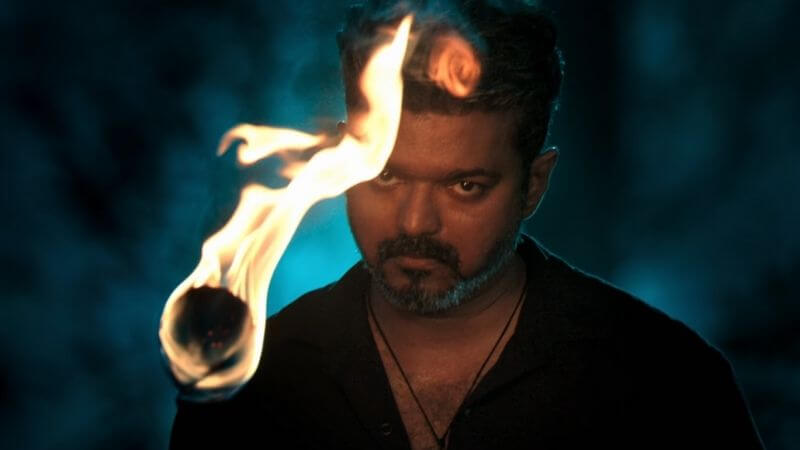
Spoiler Warning: This article contains major spoilers from Jana Nayagan. If you haven’t watched the film yet, proceed with caution.
More From CineTales



The final act of Jana Nayagan brings Vetri’s long battle against corruption to its conclusion. Throughout the film, Vetri takes on an influential political network that has abused power and manipulated democratic institutions for personal gain. His journey is not simply about defeating individual villains but about exposing an entire system built on corruption and injustice.
After risking everything, Vetri finally succeeds in revealing the truth. The corrupt leaders are exposed, justice is delivered, and the state gets an opportunity to rebuild itself on stronger democratic foundations. Following his victory, Vetri receives an offer that many believed would naturally complete his journey. He is asked to become the state’s next Chief Minister. However, instead of accepting what appears to be the ultimate reward, Vetri makes a completely unexpected decision. He refuses the position and chooses to walk away.
Why Does Vetri Reject The Chief Minister’s Post?
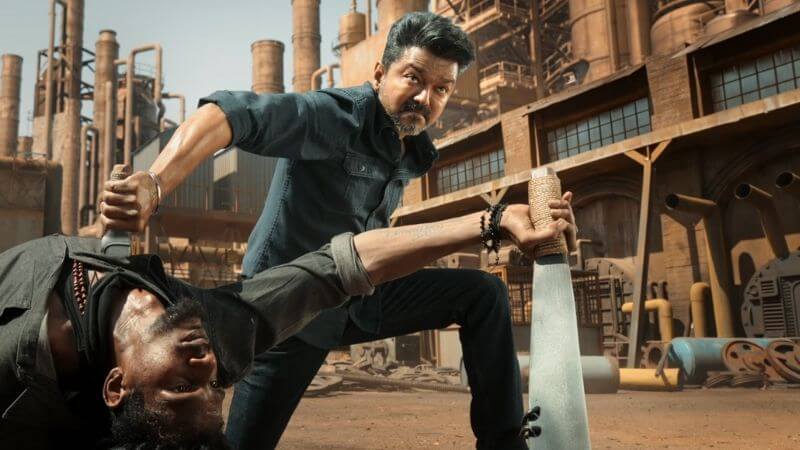
Vetri’s refusal is the emotional heart of Jana Nayagan. At first glance, his decision may seem surprising. After all, he has spent the entire film fighting corruption and standing up for ordinary citizens. Accepting the Chief Minister’s post could have allowed him to implement the reforms he believes in. However, the film deliberately presents a different philosophy.
Vetri believes that institutions are always bigger than individuals. According to his worldview, lasting change cannot depend on a single leader occupying the highest office. Instead, it should come from creating transparent systems that continue to function regardless of who holds power. His decision reinforces one of the film’s strongest messages—that public service is about responsibility rather than personal ambition.
By declining the state’s most powerful political position, Vetri demonstrates that true leadership is measured by one’s ability to empower people instead of seeking authority for oneself. The ending transforms him from a conventional action hero into someone whose ideals become more important than political power.
What Is The Deeper Meaning Behind The Ending?

The climax of Jana Nayagan goes beyond the immediate events shown on screen. Rather than portraying politics as a means to acquire authority, the film argues that leadership is fundamentally about protecting democratic values and ensuring institutions remain stronger than any individual. Vetri’s journey reflects this belief from beginning to end. Every challenge he overcomes ultimately leads him to understand that creating accountable systems matters more than occupying a powerful chair.
His final walk away from the Chief Minister’s office symbolises detachment from personal ambition. The film suggests that genuine leaders do not chase positions of power. Instead, they focus on strengthening society so that future generations inherit institutions capable of delivering justice without depending on a single heroic figure. This message gives Jana Nayagan an emotional conclusion that differs from many political dramas, where the protagonist’s success is often measured by reaching the top office.
Is The Climax Inspired By Vijay’s Real-Life Political Journey?

One of the biggest talking points surrounding Jana Nayagan is how closely its ending appears to resonate with Vijay’s real-life transition from films to politics. Although the story itself is fictional, many viewers have interpreted the climax as carrying symbolic meaning beyond the narrative.
Vetri’s decision to reject power has been viewed by fans as representing humility, sacrifice, and a commitment to public welfare over personal position. His final walk away from the Chief Minister’s chair has sparked discussions about whether the filmmakers intentionally designed the ending to reflect Vijay’s public image. The timing has only added to these conversations.
Jana Nayagan is widely regarded as Vijay’s farewell to cinema after a remarkable acting career spanning more than three decades. With the actor now focusing on public life, audiences have naturally drawn parallels between Vetri’s choices and Vijay’s own journey beyond the silver screen. While the film never explicitly states that the climax is based on real events, its symbolism has undoubtedly become one of its most widely discussed aspects.
Why The Ending Has Connected With Audiences
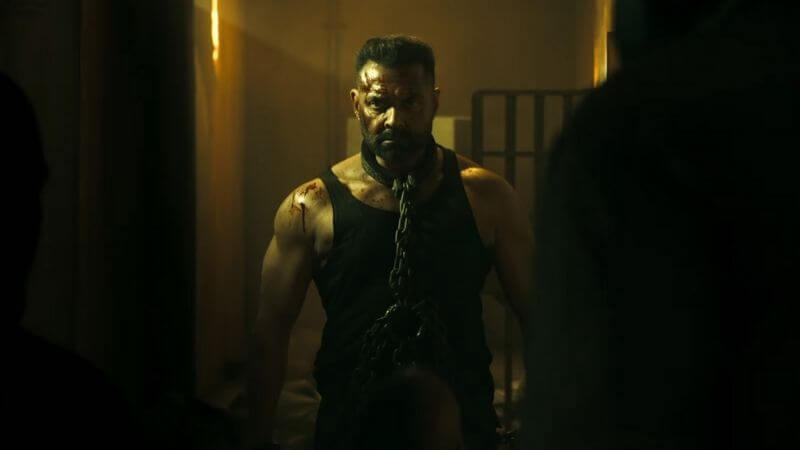
One reason the climax has resonated with viewers is that it avoids a predictable conclusion. Instead of celebrating power, Jana Nayagan celebrates principles. The emotional impact comes not from Vetri winning a political office but from remaining faithful to the values that shaped his journey throughout the film.
For many fans, this ending also serves as a fitting goodbye to Vijay’s cinematic career. Rather than ending with another larger-than-life victory, the film leaves audiences with a message about integrity, responsibility, and public service. Whether interpreted as a fictional conclusion or a symbolic farewell, the final sequence succeeds in giving audiences something meaningful to reflect upon long after the credits roll.
Conclusion
Jana Nayagan ends on a powerful and thought-provoking note by redefining what it means to be a leader. Instead of accepting the Chief Minister’s post after exposing a corrupt political network, Vetri chooses to walk away, reinforcing the belief that institutions must always be stronger than individuals. The climax highlights the film’s central themes of responsibility, integrity, and democratic values while offering an emotional conclusion to Vijay’s on-screen journey. Whether viewed purely as fiction or as a symbolic reflection of Vijay’s transition into public life, the ending leaves a lasting impact and gives Jana Nayagan a memorable farewell that continues to fuel discussions among audiences.
Love honest, hype-free movie reviews? Stay tuned with Cinetales for more deep dives into the latest movies, series, OTT drops, and box office battles — all in one place!
Follow Us: Facebook | Instagram | X |
Youtube | Pinterest | Google News |
Cinetales is on YouTube; click here to subscribe for the latest videos and updates.