


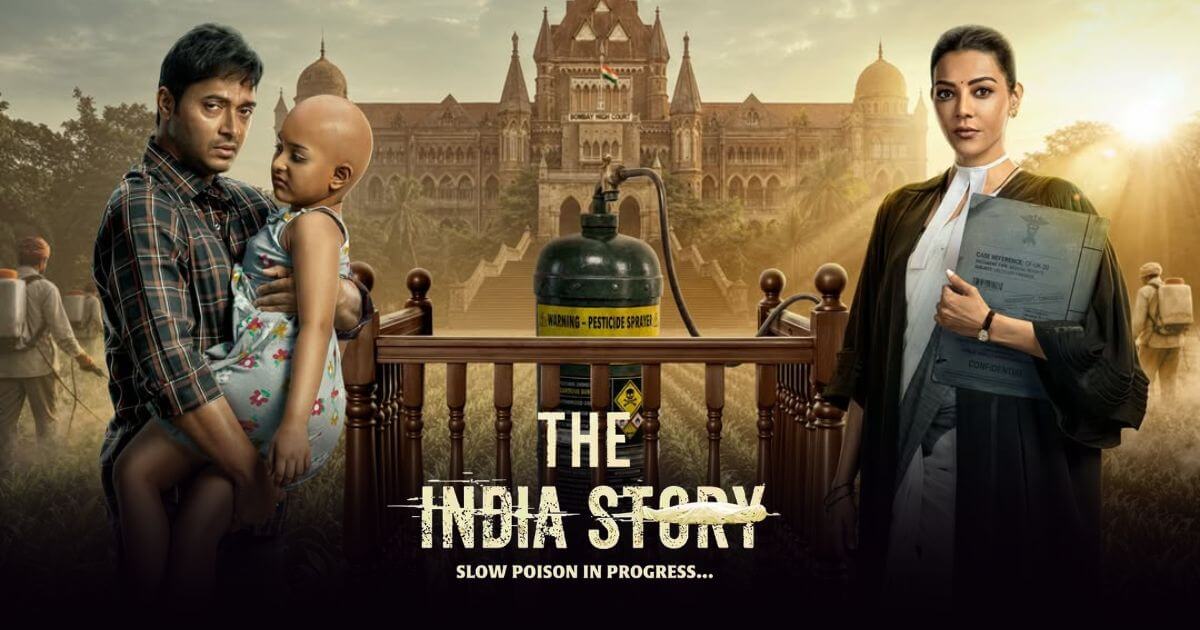

The India Story, directed by Chetan DK, is more than just a courtroom drama. Starring Kajal Aggarwal and Shreyas Talpade, the film uses an emotional family tragedy to shine a light on one of the country’s biggest yet often overlooked public health concerns—the excessive use of pesticides in fruits and vegetables.
Instead of focusing only on legal proceedings, the film asks audiences to question where their food comes from and whether everyday consumption habits could have long-term consequences. By combining personal loss with a larger social issue, The India Story attempts to start a conversation about food safety, environmental responsibility, and accountability.
As the film reaches its emotional climax, it delivers answers to the questions that drive the story from the very beginning. Does Shreyas Talpade’s character finally get justice for his daughter? Does he return to the Indian Army? And what message is the film trying to leave behind?
More From CineTales



The India Story Ending Explained
Spoiler Warning: This article contains major spoilers from The India Story. If you haven’t watched the film yet, proceed with caution.
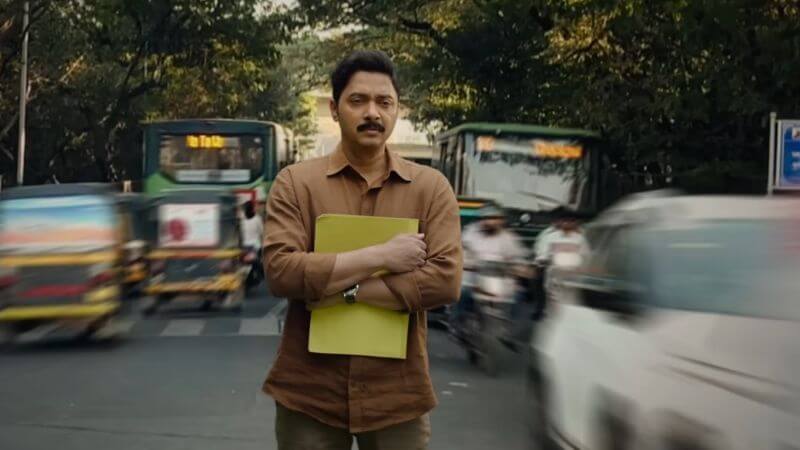
The emotional core of The India Story revolves around Yogesh, played by Shreyas Talpade. A decorated Major in the Indian Army, Yogesh’s life changes forever after his seven-year-old daughter dies of cancer. Instead of accepting her death as an unfortunate tragedy, he becomes convinced that the illness was caused by the excessive pesticides used in fruits and vegetables consumed by millions every day. Determined to seek accountability, Yogesh takes the matter to court.
His legal battle is not aimed at a single individual. Instead, he challenges pesticide manufacturers and those responsible for promoting unsafe agricultural practices, accusing them of putting countless lives at risk. Throughout the trial, Yogesh remains calm, composed, and unwavering in his belief that the truth deserves to be heard.
Kajal Aggarwal’s Character Helps Build The Case

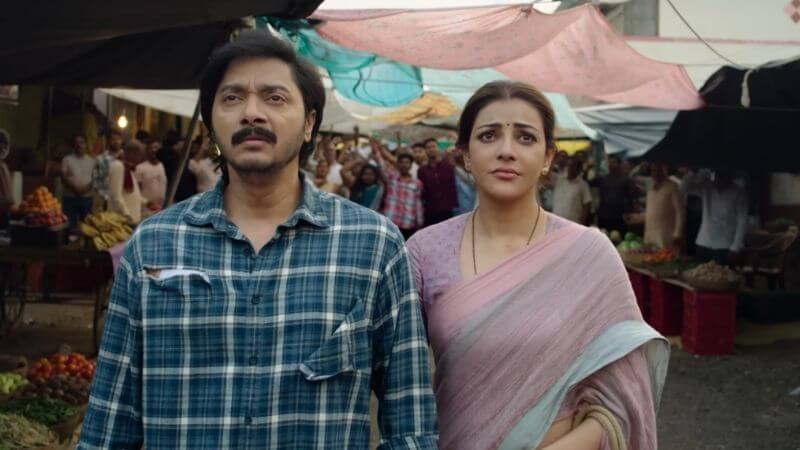
Kajal Aggarwal plays Yogesh’s lawyer, though the film later reveals that she is also his wife, adding an emotional layer to their shared fight for justice. Rather than relying solely on courtroom arguments, she travels across several farms to understand how pesticides are being used and whether dangerous chemical residues remain on fruits and vegetables even after washing them. Her investigation becomes a crucial turning point in the case.
By gathering evidence from different parts of the country, she presents enough material for the court to seriously examine the issue and question the existing agricultural practices. Together, the couple transform their personal grief into a larger movement that seeks accountability and systemic reform.
Yogesh’s Emotional Courtroom Speech

While evidence strengthens the legal case, the film saves its most powerful moment for the climax. When the judge asks Yogesh to share his thoughts, he delivers an emotional monologue that becomes the defining scene of The India Story. Until this point, Yogesh has largely remained measured and restrained. However, his final speech comes straight from the heart.
He asks everyone present in the courtroom to imagine how they would react if someone deliberately poisoned their own mother. Yogesh then compares Mother Earth to their mothers, arguing that pesticide companies are poisoning the land with harmful chemicals while endangering the health of future generations. The comparison deeply resonates inside the courtroom. His words leave a lasting impression not only on those present but also on the judges, who begin looking at the issue from a broader humanitarian perspective rather than merely as a legal dispute.
What Is The Court’s Verdict?
Following Yogesh’s emotional appeal, the court rules in his favour. Rather than limiting the judgment to one family’s tragedy, the court directs the government to launch an inquiry into pesticide companies and the quantity of chemicals being used in food production. The verdict also points towards Sikkim, which has already banned pesticides, as an example worth studying.
In addition, the court encourages greater investment in organic farming and sustainable agricultural practices to reduce dependence on harmful chemicals. The judgment becomes more than a legal victory for Yogesh. It represents hope that meaningful reforms can protect future generations from similar tragedies.
Does Yogesh Return To The Indian Army?
One of the film’s emotional subplots revolves around Yogesh’s military career. At the beginning of The India Story, he is introduced as a highly respected Major in the Indian Army who has received recognition from the President of India. However, everything changes after learning about his daughter’s illness. Although Army officials ask him to immediately resume duty, Yogesh chooses to remain with his daughter during the most difficult period of her life.
Knowing he cannot abandon his family, he resigns from the Army despite understanding the importance of military service. His decision reflects the impossible choice between duty to the nation and duty to his family. Years later, after the court announces its verdict, it also recommends that the Army reconsider Yogesh’s rejoining. The film’s closing moments answer that question.
During the end credits, Yogesh is seen once again wearing his Army uniform while seeking blessings at a temple alongside his family, indicating that he has been given another opportunity to serve the country.
What Does The Final Scene Mean?

The final scene quietly reinforces the film’s central message. As Yogesh and his family pray together, their neighbour arrives carrying vegetables and shares that the legal battle inspired them to embrace organic farming. It is a simple but meaningful moment.
The scene suggests that true victory is not limited to winning a court case. Real change happens when ordinary people begin changing their own habits and demanding healthier alternatives. Instead of ending with celebration, The India Story concludes by encouraging audiences to reflect on the choices they make every day and the long-term impact those choices have on public health and the environment.
Conclusion
The India Story ends on a hopeful yet thought-provoking note. Yogesh finally secures justice for his daughter, the court orders an inquiry into pesticide usage, and the government is encouraged to promote safer agricultural practices. At the same time, Yogesh’s return to the Indian Army symbolises personal healing after years of grief and sacrifice. More importantly, the film reminds audiences that meaningful change begins not only in courtrooms but also through collective awareness and responsible choices. Whether or not viewers agree with every argument presented, The India Story succeeds in leaving behind an emotional message about accountability, food safety, and protecting future generations.
Love honest, hype-free movie reviews? Stay tuned with Cinetales for more deep dives into the latest movies, series, OTT drops, and box office battles — all in one place!
Follow Us: Facebook | Instagram | X |
Youtube | Pinterest | Google News |
Cinetales is on YouTube; click here to subscribe for the latest videos and updates.