


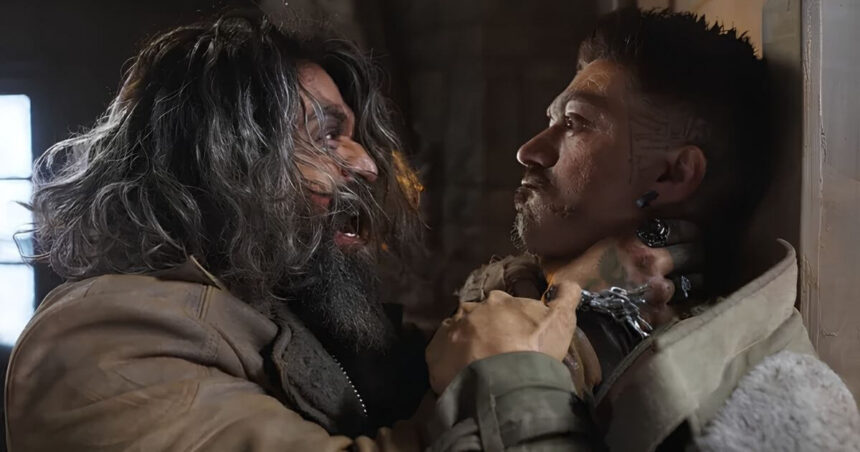

Geetu Mohandas’ Toxic: A Fairy Tale for Grown-Ups arrives with Yash in dual roles, playing Raya and Ticket. The gangster drama takes audiences into the dangerous world of illegal trade, family conflicts and ambition. But beneath the crime story lies a much darker psychological layer. Here is our Toxic movie ending explained.
- Toxic Story
- Why Does Ticket Return To Raya?
- Why Doesn’t Ticket Kill Raya?
- Toxic Ending Explained: Is Ticket Real?
- Why Does Raya Imagine Ticket?
- The Deaths Of Ganga And Nadia Make Raya’s Trauma Worse
- What Happens To Adam?
- What Happens In The Final Scene?
- What Does The Toxic Ending Mean?
- Was Everything In Toxic Real?
- Final Verdict
Spoiler Alert: This article contains major spoilers from Toxic: A Fairy Tale for Grown-Ups, including the climax, Ticket’s identity and the film’s final scene. Read ahead only if you have watched the film or don’t mind knowing the ending.
Toxic Story
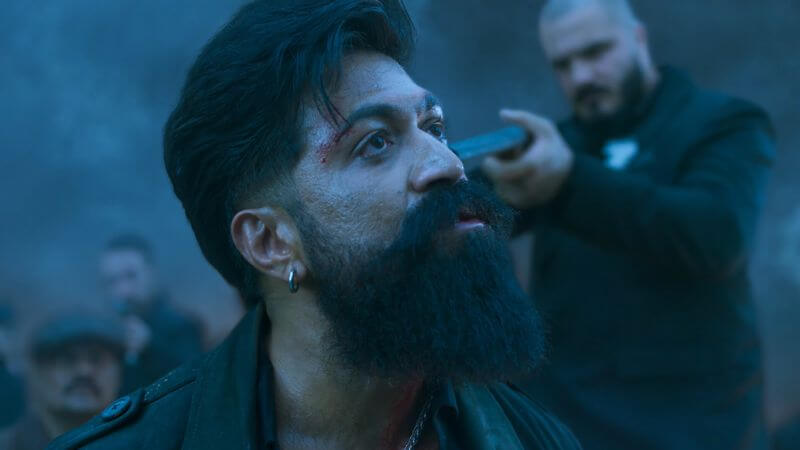
Toxic centres on Raya and his sister Ganga, who grow up in difficult circumstances and eventually set their sights on controlling the illegal trade in Goa, which is still under Portuguese control. Ganga wants Raya to gain power at any cost. She even encourages him to marry Rebecca, the daughter of Salvador, if doing so can help them get closer to their goal. However, Raya develops feelings for Nadia, and their relationship changes the course of his life. The couple eventually have a child named Ticket. Ticket is also played by Yash and serves as the narrator of the story.
But Raya and Nadia’s relationship eventually falls apart following a traumatic incident, and Ticket grows up away from his father. Years later, an adult Ticket returns to Raya’s life. At first, his return appears to be driven by revenge. Ticket seems determined to settle scores with the father who failed him when he was a child. Meanwhile, Raya has already built a powerful criminal empire and expanded his operations from Goa to Macau. He has also started another family with Mellisa, played by Rukmini Vasanth, and has a second son, Adam.
More From CineTales



Why Does Ticket Return To Raya?
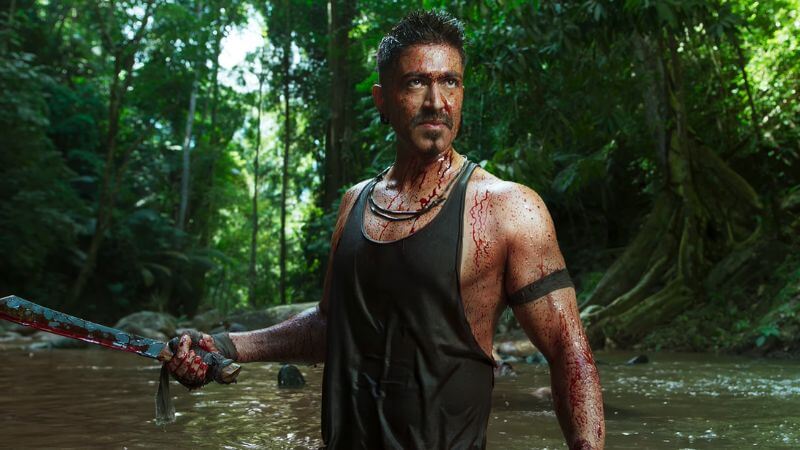
Adult Ticket appears determined to settle scores with his father. Raya had failed him as a child, and Ticket seemingly carries that pain into adulthood. By this point, Raya has built a powerful criminal empire and has expanded his operations from Goa to Macau. He has also started another family with Mellisa and has a second son, Adam. But Raya increasingly becomes convinced that Ticket is trying to destroy everything he has built.
The conflict between father and son becomes particularly dangerous when Ticket kidnaps Adam and attempts to kill him in a manner similar to how Raya once tried to kill Ticket. It appears to be an act of revenge. Yet something doesn’t add up. Despite supposedly hating Raya, Ticket doesn’t kill him when he gets the opportunity. In fact, he does the opposite. Ticket saves Raya from an attack. This becomes one of the film’s biggest clues. If Ticket has genuinely returned to destroy his father, why would he repeatedly save him?
Why Doesn’t Ticket Kill Raya?
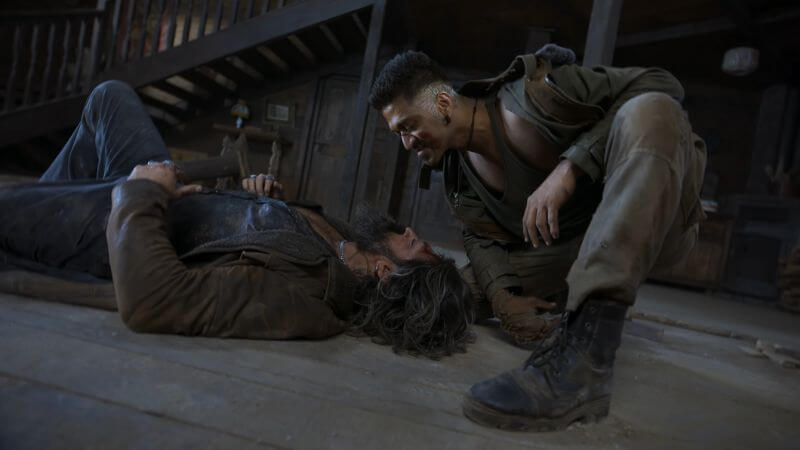
Through the second half of the Toxic: A Fairy Tale for Grown-Ups, Ticket continues to antagonise an older Raya while the gangster tries to keep him at bay. Raya is also focused on expanding his empire to Macau. When Ticket kidnaps Adam and tries to kill him in a similar manner to how Raya had once tried to kill him, his plan is foiled.
Despite his insistence that he hates the father who tried to kill him as a child, Ticket turns away from killing Raya when he gets the chance. He even saves him from an attack. These moments become increasingly important once the final twist arrives. Ticket’s actions aren’t simply those of a son seeking revenge. They are connected to something happening inside Raya’s mind.
Toxic Ending Explained: Is Ticket Real?
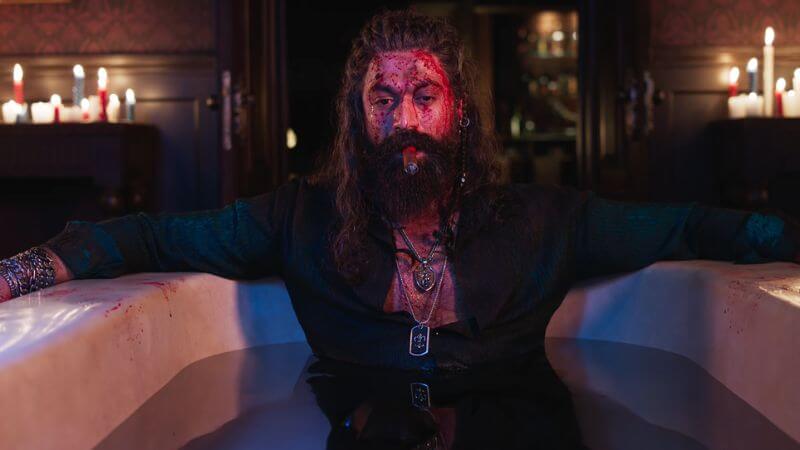
No. Ticket is not actually alive. The climax reveals that the adult Ticket we have been following is a figment of Raya’s imagination. This means Ticket has been an unreliable narrator throughout the film. The real Ticket died years earlier.
Raya had initially tried to kill his son. But when he eventually changed his mind and wanted to save him, it was already too late. He couldn’t save Ticket. That failure leaves Raya carrying enormous guilt. His mind is unable to accept what happened. Instead, he creates a version of Ticket who survives. This imagined Ticket then becomes a constant presence in Raya’s life.
In other words, much of the second half of the film is shaped by Raya’s fractured state of mind. The audience has been following a character who doesn’t actually exist in the present timeline, making the events surrounding him far more complicated than they initially appear.
Why Does Raya Imagine Ticket?
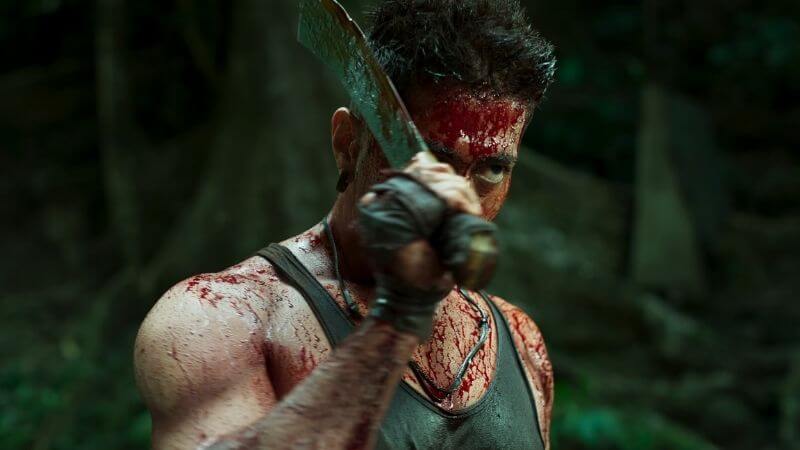
Raya’s hallucination of Ticket appears to be connected directly to his guilt and trauma. He had tried to kill his own son and then failed to save him when he changed his mind. The consequences of that decision never leave him.
Raya’s mind creates a version of Ticket who can grow up and confront him. This imagined version allows Raya to experience the relationship he never got to have with his son. It also gives his guilt a physical form. Ticket becomes the embodiment of everything Raya has tried to suppress.
That also explains why Ticket repeatedly appears to challenge Raya’s decisions and threaten the empire he has built. Ticket isn’t simply another gangster standing in Raya’s way. He represents the part of Raya that he cannot escape.
The Deaths Of Ganga And Nadia Make Raya’s Trauma Worse

Raya’s mental state has already been severely damaged by the losses he experiences throughout the story. The deaths of Ganga and Nadia leave him increasingly isolated. By the time Ticket becomes a dominant presence in his life, Raya has already lost many of the people closest to him.
The imagined Ticket therefore becomes even more powerful. The film suggests that Raya’s mind is slipping further away from reality as his guilt and trauma overwhelm him. Mellisa and members of Raya’s gang, including Karmadi, played by Sudev Nair, also appear to recognise that something is wrong with him.
Mellisa even attempts to leave with Adam at one point. This eventually leads to the imagined Ticket kidnapping Adam. The situation becomes difficult to separate from reality because the audience has largely experienced events through Ticket’s narration and Raya’s perspective.
What Happens To Adam?

Adam becomes another important part of the climax. Ticket, in Raya’s imagination, kidnaps Adam and attempts to repeat the violence that Raya once inflicted on him. But the situation doesn’t play out as expected.
The kidnapping becomes another manifestation of Raya’s guilt and his fear that his own actions will repeat themselves through his children. The film uses Ticket’s relationship with Adam to connect Raya’s past with his present. Raya once failed Ticket. Now, he is terrified that Adam could suffer the same fate.
What Happens In The Final Scene?
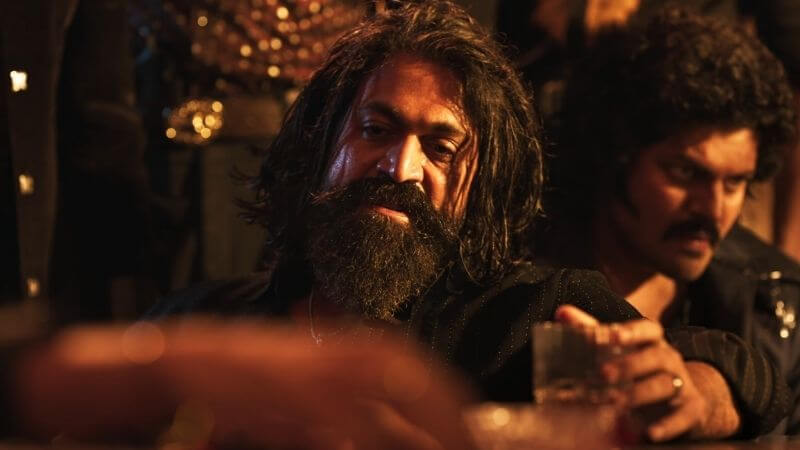
The final scene is where the psychological meaning of Toxic becomes most apparent. Raya eventually becomes aware of what has happened. He realises that Ticket has been a product of his own mind. Rather than continuing to fight the imaginary version of his son, Raya finally surrenders to the chaos inside him.
At the same time, a snow avalanche races towards him. Raya finally embraces the son he had spent years keeping at a distance. The film then cuts to black. It is an intentionally ambiguous ending. The audience isn’t given a conventional resolution explaining exactly what happens to Raya after that moment. Instead, the final image focuses on his acceptance of Ticket and everything the character represents.
What Does The Toxic Ending Mean?

The ending can be understood both literally and metaphorically. On a literal level, Raya’s mind has broken under the weight of guilt, grief and trauma. Ticket is not a living adult returning to take revenge on his father. He is an imagined version of the son Raya lost.
But on a metaphorical level, Ticket represents Raya’s unresolved trauma. Raya spent years trying to keep his son away. He eventually loses him because of his own actions. His mind then refuses to let him forget.
By creating Ticket in his imagination, Raya is essentially forced to confront the consequences of what he did. The final embrace therefore becomes significant. Raya finally accepts the child he previously couldn’t acknowledge.
Was Everything In Toxic Real?

This is where the ending becomes open to interpretation. The film suggests that a significant portion of what audiences see may have been shaped by Raya’s psychological state. Since Ticket narrates the story and is eventually revealed to be imaginary, his version of events cannot be considered completely reliable.
That doesn’t necessarily mean every event was imaginary. Instead, Toxic leaves viewers questioning how much of the story happened exactly as presented. The ending therefore works less like a conventional twist and more like a reinterpretation of everything that came before it.
Final Verdict
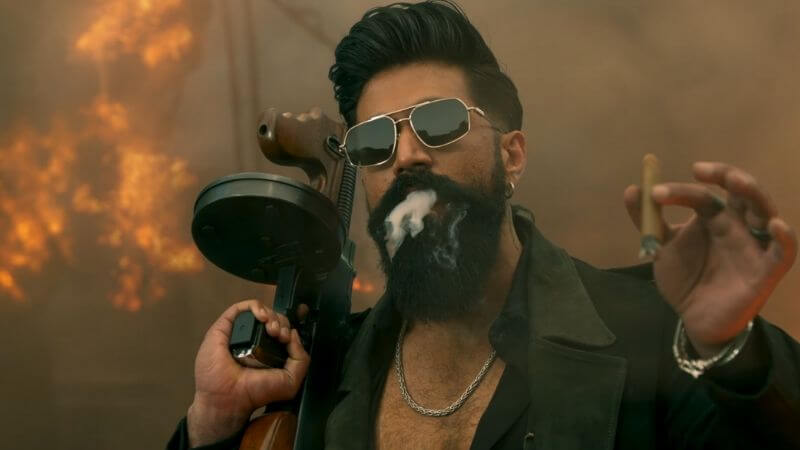
The biggest reveal in Toxic is that Ticket is not actually alive. The adult Ticket seen throughout the latter part of the film exists inside Raya’s imagination. The real Ticket died years earlier after Raya initially tried to kill him and then failed to save him.
Unable to cope with the guilt, Raya’s mind creates a version of Ticket who survives, grows up and confronts him. The climax finally forces Raya to accept his trauma. As an avalanche approaches, he embraces the son he had spent years keeping away.
The film cuts to black without giving a straightforward answer about Raya’s ultimate fate. And that’s what makes the ending deliberately open to interpretation. Toxic isn’t simply about whether Raya survives the avalanche. Its final moments are more concerned with whether he can finally accept the guilt, grief and trauma that have consumed his life.
Love honest, hype-free movie reviews? Stay tuned with Cinetales for more deep dives into the latest movies, series, OTT drops, and box office battles — all in one place!
Follow Us: Facebook | Instagram | X |
Youtube | Pinterest | Google News |
Cinetales is on YouTube; click here to subscribe for the latest videos and updates.