


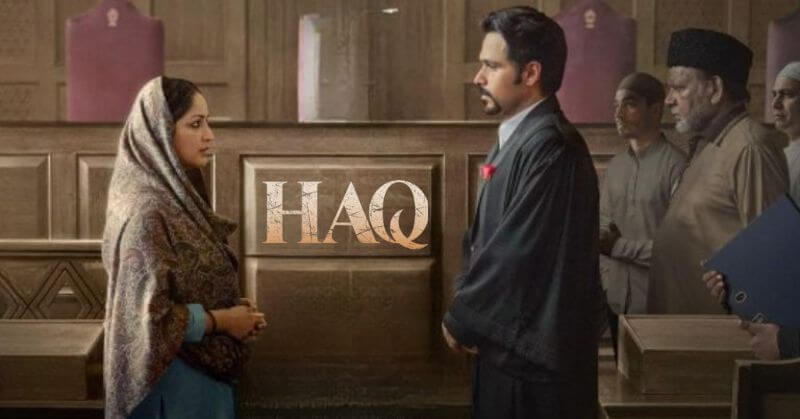

Spoiler Alert: This article contains major spoilers from Haq. If you haven’t watched the film yet, read ahead only if you wish to explore the meaning behind its powerful ending.
When a film like Haq ends, it doesn’t truly end — it lingers. The Yami Gautam and Emraan Hashmi-starrer is more than a courtroom drama; it’s a reflection of India’s conscience. Loosely inspired by the 1985 Shah Bano case, Haq transforms a real-life legal battle into a deeply personal journey about one woman’s courage to challenge faith, love, and law — all in pursuit of justice.
Haq Story: From Love To Betrayal
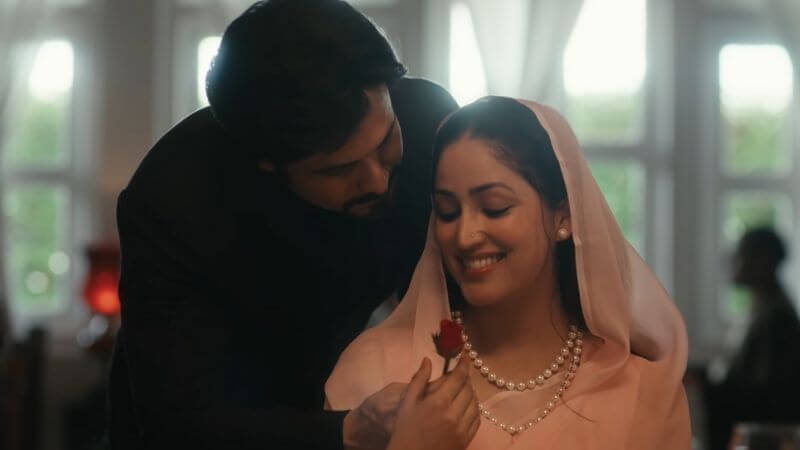
Shazia Bano (Yami Gautam) begins her story as a devoted wife, deeply in love with her husband Abbas Khan (Emraan Hashmi). But when Abbas returns from Pakistan with a second wife, her world shatters. Left behind with three children and no support, Shazia demands ₹400 per month as maintenance — a small amount that becomes the symbol of a much larger fight.
More From CineTales



When Abbas refuses to take responsibility, Shazia takes the unthinkable step — dragging her own husband to court. What begins as a personal battle soon evolves into a national debate, questioning faith, justice, and the meaning of equality.
Faith Vs Law: The Battle Inside The Courtroom
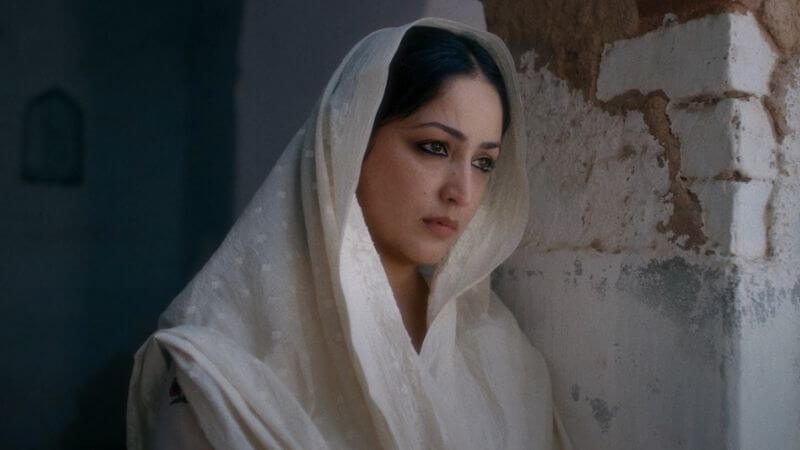
At the heart of Haq lies a gripping confrontation between religious law and constitutional justice. Abbas argues that under Islamic personal law, his duty ends after the “iddat” period — three months post-divorce. Shazia, guided by her lawyer and her father’s unshakable belief in truth, refuses to accept that explanation.
The courtroom becomes the stage for an ideological storm — one side defending age-old interpretations of faith, the other fighting for modern justice. The All India Muslim Personal Law Board supports Abbas, warning the court not to interfere in religious matters. But Shazia’s quiet courage cuts through the noise. She doesn’t fight against her faith — she fights within it, reminding everyone that justice is divine too.
The Verdict That Changed Everything
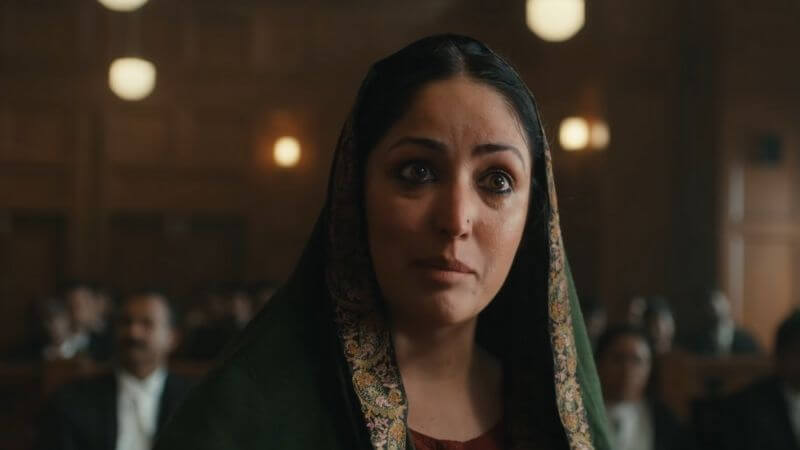
In a stirring climax inspired by the historic Shah Bano judgment of 1985, the Supreme Court rules in Shazia’s favor. The court declares that justice cannot be confined by religion and that when personal law clashes with constitutional rights, the Constitution must prevail.
It’s a moment of triumph — for Shazia, for women, and for everyone who believes in fairness. Yet Haq refuses to wrap things neatly. The final scenes are quiet but unsettling. Shazia may have won her case, but her fight is far from over. The verdict changes the law, not the hearts of people.
Haq Movie Ending Explained
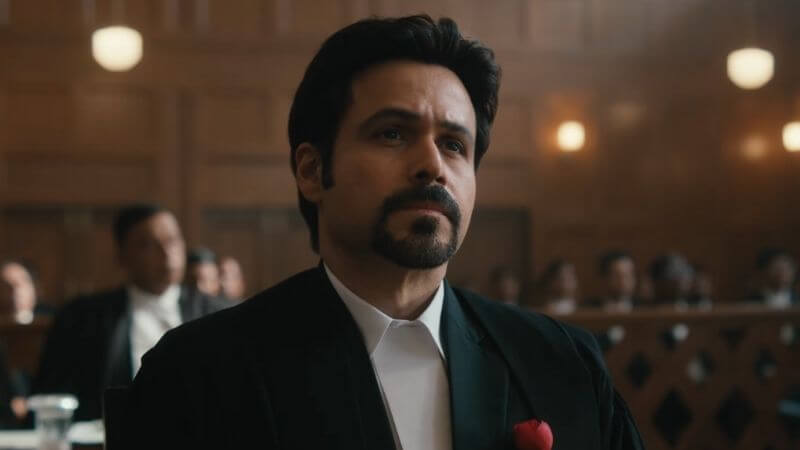
The ending of Haq isn’t about a courtroom victory — it’s about awakening. Through Shazia’s journey, the film forces us to confront uncomfortable questions:
- Can faith and women’s rights coexist peacefully?
- Should India finally adopt a Uniform Civil Code?
- How long will women have to fight for rights that are already theirs?
In one of the film’s most haunting scenes, Shazia tells Abbas, “There’s a difference between reading the holy book and understanding it.” That line defines the soul of Haq. The movie isn’t anti-faith — it’s anti-ignorance. It reminds us that true faith and true justice are not enemies; they are allies.
Echoes Of The Real Shah Bano Case
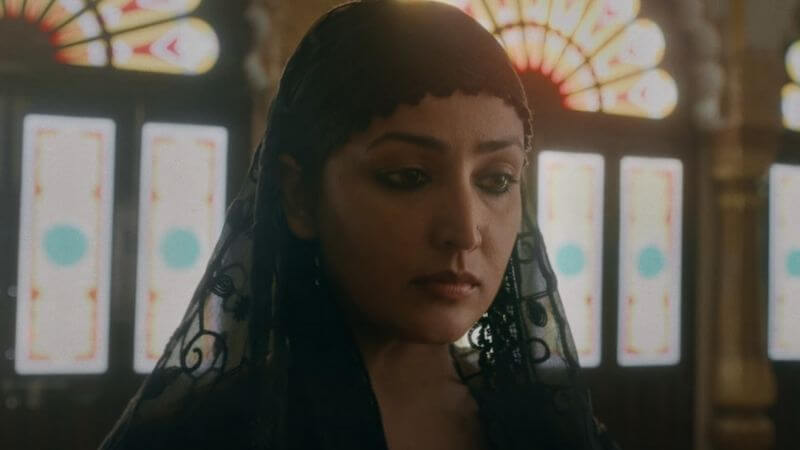
Haq draws deeply from reality. Just like Shazia, Shah Bano fought for dignity and financial security after being divorced by her husband. In 1985, the Supreme Court ruled in Shah Bano’s favor — a landmark decision that championed women’s rights over religious interpretation.
But politics intervened. In 1986, the government passed the Muslim Women (Protection of Rights on Divorce) Act, reversing the judgment. Decades later, the Supreme Court once again stood on the side of justice by striking down instant triple talaq in 2017 — the victory that Shah Bano and women like Shazia had once dreamed of.
The Real Meaning Of Haq
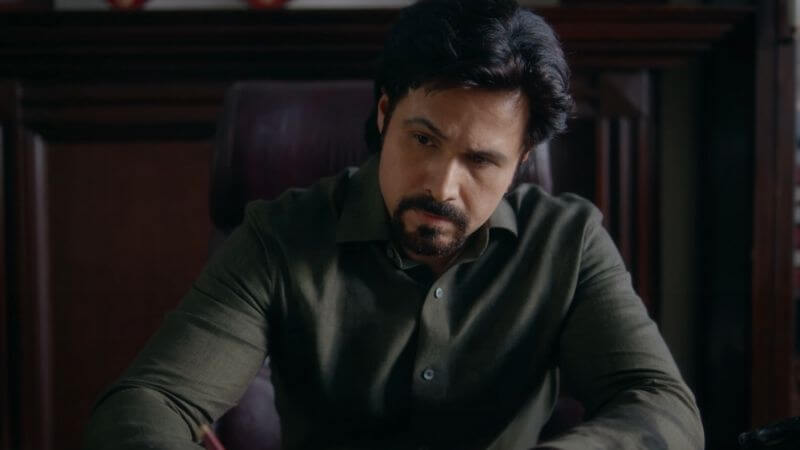
As the film closes, Shazia walks away from the court with her head held high — not as a victim, but as a symbol. Her fight may have started in one courtroom, but her story represents millions of women still demanding to be heard.
Haq is not about winning or losing; it’s about courage — the courage to question, to endure, and to hope. It reminds us that justice is not a favor, it’s a right, a “haq” that every woman deserves.
The ending of Haq delivers both heartbreak and hope. It shows that laws can change, but equality takes generations. Shazia’s story, much like Shah Bano’s, continues to echo across modern India — reminding us that faith without compassion and law without humanity are both incomplete.
Haq isn’t just a movie. It’s a movement — one that reminds us that true justice begins when a woman refuses to be silent.
Stay tuned with Cinetales for honest Box Office numbers, latest OTT updates, full movie reviews, and all the entertainment-related news.
Follow Us: Facebook | Instagram | X |
Youtube | Pinterest | Google News |
Cinetales is on YouTube; click here to subscribe for the latest videos and updates.